Forced to Pause
Forced to Pause: My Menopause Story -Recovery, Reality and Rethinking “Normal”
December is often positioned as a time of reflection.
A moment to look back, to measure progress, to acknowledge what has been achieved. But this year, reflection has felt different. It has not been focused on productivity or milestones, but on something much more fundamental:
Recovery. Capacity. And truth.
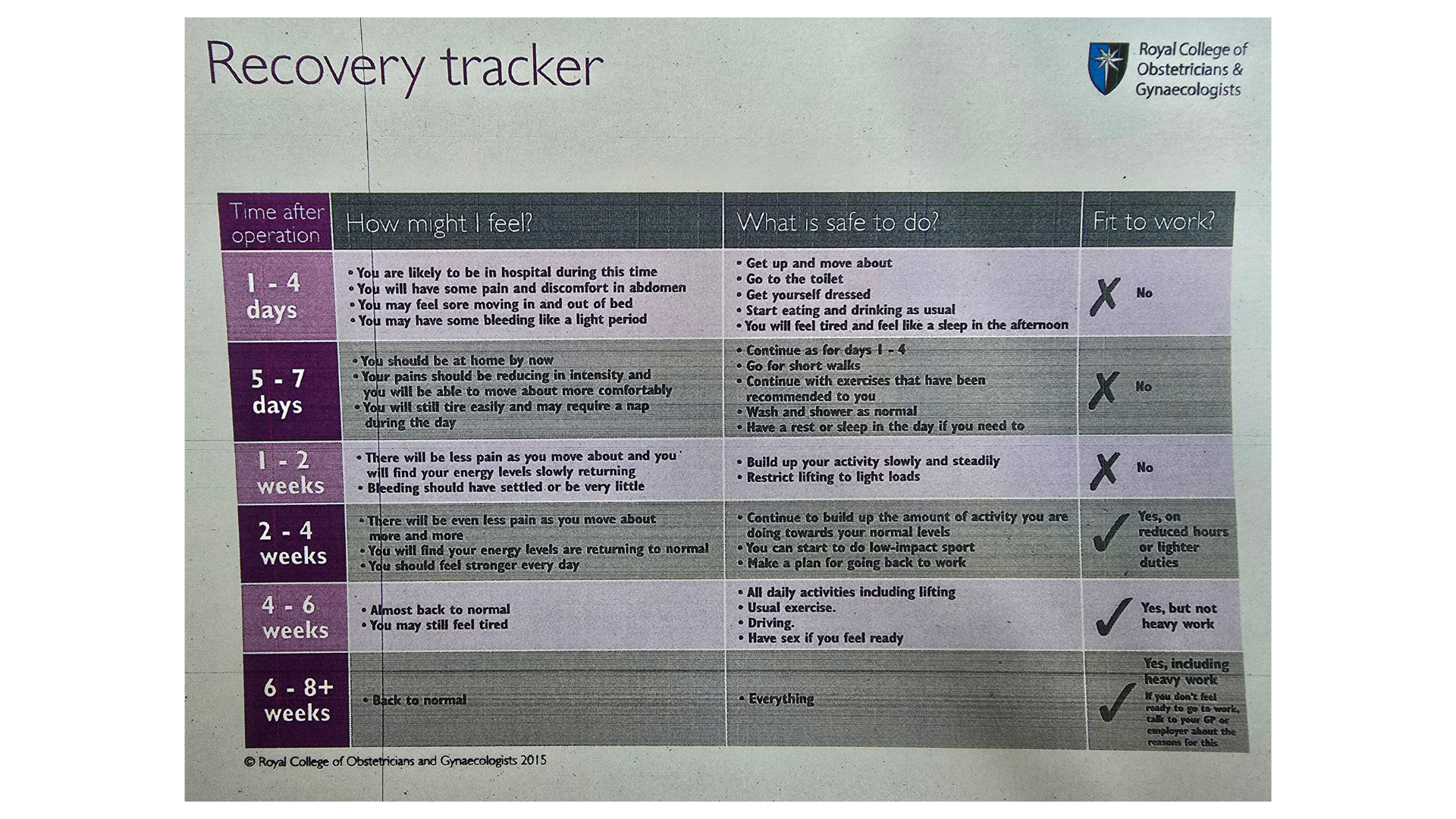
Over the past year, I have been navigating the ongoing impact of untreated endometriosis, alongside the complexities of surgical menopause and an absence of consistent, joined‑up aftercare. Like many others, I entered this process with expectations set by clinical timelines, particularly the idea that I would be “back to normal” by about eight weeks post surgery. When in practice, my wound had not even fully closed by the 8-week marker and due to the extent of the 'abdominal clearance' surgery (where they remove everything which has been impacted by the endometriosis, which was a lot and included bowel reconstructive surgery), my entire digestive system, nervous system and physical ability have been significantly affected.
What has become clear, through lived experience, independent research and discussions with specialists outside the NHS, is that this expectation does not reflect the reality for many people.
The Myth of “8 Weeks to Normal”
Before surgery, I was told that recovery would take approximately six to eight weeks.
This timeframe is widely used. It appears across patient guidance and general advice, often suggesting that most people can resume normal activity within this period. [endometriosis.net]
But what is often not emphasised is that:
Recovery timelines vary significantly depending on the type and complexity of surgery
Hysterectomy for endometriosis can involve longer and more complex healing processes
Physical recovery does not account for hormonal, cognitive and emotional impact
The generic advice provided is actually based on outdated information, assuming patients are older, less active individuals
Research indicates that recovery from endometriosis surgery can take several weeks to several months, with fatigue, pain and reduced capacity continuing well beyond the initial healing period.
From speaking to a specialist women's health recovery physiotherapist, 8 weeks is unrealistic for most people. This figure has been devised around getting people back to work, not ensuring their full, individual and holistic recovery is complete or even that they are safe to return. At the 8-week point, I was still unable to complete any exercise beyond gentle stretches or lift a full kettle to make a cup of tea.
From speaking with a specialist gastroenterologist, I discovered that actual recovery, internally from abdominal surgery, including nervous system disruption from the 'traumatic incident' of having parts of your body removed, was estimated to be around 2 years.
And yet, the simplified narrative of “back to normal” persists.
For me, this created a disconnect.
Not because I was not recovering, but because the definition of recovery I had been given did not align with what recovery actually required.
Surgical Menopause: The Complexity Beneath the Surface
In addition to surgical recovery, I entered surgical menopause, a reality that was not explained. I understood that clinically, the removal of my entire reproductive system would cause me to go into menopause but there was no discussion and the impact was not contextualised to me.
Unlike natural menopause, surgical menopause involves a sudden and immediate drop in hormone levels, often resulting in more intense and immediate symptoms.
This can include:
fatigue and cognitive strain
mood changes and emotional regulation challenges
disruption to sleep
physical symptoms linked to hormonal imbalance
Importantly, evidence highlights that surgical menopause is not a short‑term phase. It is a permanent physiological change, with symptoms that vary in intensity but can be long‑term.
For many, this transition happens at the same time as recovering from major surgery.
This layering matters.
It means recovery is not linear.
It is not limited to physical healing.
And it cannot be measured solely by time.
Fatigue, Healing, and the Reality of Capacity
One of the most persistent aspects of my recovery has been fatigue.
Not tiredness, but a deeper, systemic fatigue that affects both body and cognition.
Research describes post‑operative fatigue as a common physiological response, linked to the body’s metabolic and hormonal reaction to surgery. It can persist longer than pain and significantly delay a return to daily functioning.
This aligns with lived experience.
There have been periods where:
Energy is unpredictable
Mental clarity fluctuates
Simple tasks require disproportionate effort
Decision-making capacity is close to zero
This has required a fundamental shift in how I approach work, commitment, expectation and my relationships.
Not as a temporary adjustment, but as part of an ongoing recalibration. Focusing on managing my capacity with empathy and grace, acknowledging that not every activity requires KPIs and social impact, taking time to prioritise the things that matter and enjoying things just because.
This new approach was highlighted in my recent birthday celebrations last month, where my wonderful husband Damian took me to London for a music event, followed by a visit to the Black Cultural Archives. No networking, no meetings, no expectations, no pressure and no multi-tasking. Just a weekend of music, great vibes and simple enjoyment.

When Communication Breaks Down
Alongside the physical aspects of recovery, another challenge has been navigating communication across healthcare systems.
Experiences of:
unclear or inconsistent information sharing
gaps between primary and secondary care
the need to repeatedly follow up or advocate for clarity
None of these experiences are uncommon.
Evidence from UK patient experience reports highlights that poor communication and administrative inefficiencies within the NHS can lead to stress, delays, and avoidable suffering, particularly when patients are moving between services.
This is not simply an operational issue.
It has real impact on recovery.
When information is unclear:
Decision‑making becomes more difficult
Delays in treatment and access to care are compounded
Confidence in treatment pathways is reduced
Patients carry additional cognitive and emotional burden
At a time when energy is already limited, this becomes significant. I found that letters from the consultant were not added to my notes promptly. When they were received, they omitted the full instructions required by my GP to enact the treatment I had discussed with the consultant. Which means my access to necessary hormone replacement therapy, supplements to prevent osteoporosis and specialist physiotherapy are still being delayed months after my surgery.
Stepping Back: A Necessary Decision
At this point in a very challenging year, it has become clear that I need to make a decision.
Not about whether I was committed to the work I do but about how I can continue my work responsibly. Being responsible for my care and well-being, responsible to my family and responsible to to rolemodel the values on which my work is founded.
There is often an unspoken expectation, particularly in leadership and community‑based roles, that we continue regardless of circumstance. This is intensified in relation to the role of women and the experiences of women from global majority backgrounds.
That we push through.
That we maintain presence.
That we prioritise external responsibility over internal need.
But recovery does not respond to expectation.
It requires:
time
space
attention
And so, I made the decision to step back.
To focus the limited energy I have on:
healing
understanding my own capacity
adapting to a different pace
This does not feel easy. Initially, it felt like an interruption. Like delay. Like something I needed to overcome quickly to get back to where I am supposed to be. But over time, it has felt like something deeper.
An opportunity. An opportunity to redefine my relationship with myself and my work. An opportunity to invest time in things I care about and enjoy and an opportunity to put down the responsibility to fix everything.
The Broader Context: Systems Under Pressure
This personal experience is not separate from wider systemic challenges.
Recent analysis of patient safety in England highlights that the healthcare system is operating under significant strain, with increasing pressures impacting both safety and patient experience.
At the same time:
Waiting lists remain high
Coordination between services is inconsistent
Patient confidence is affected by delays and communication gaps
These conditions shape individual experiences.
They influence:
How quickly treatment is received
How clearly information is communicated
How supported individuals feel throughout their care
Understanding this context does not remove the challenges—but it does explain why they occur.
Redefining Recovery
What this year has made clear is that recovery cannot be reduced to a timeline.
It is not:
Six weeks
Eight weeks
A return to a previous version of “normal”
It is something more adaptive.
More individual.
More complex.
For me, recovery now means:
Recognising limits without attaching failure to them
Pacing work in alignment with energy, not expectation
Prioritising sustainability over intensity
Accepting that progress can be slower—and still valid
This is not a reduction in commitment.
It is a shift in approach.
My Closing Reflection
There is a narrative we are often given:
That with enough effort, enough determination and enough time, we will return to where we were before.
But recovery is not about returning. We cannot reverse time, we can only move forward. Our aim should be a new, improved version, not trying to reclaim something old, which we have moved on from.
Grief is often an unspoken but significant part of surgical and health recovery, particularly where procedures involve lasting physical or hormonal change. It can emerge not only as a response to what has happened, but also to what has been altered, lost, or interrupted. A sense of loss of routine, identity, independence and unrealistic expectations of how the body should look, function or respond. In experiences such as hysterectomy or surgical menopause, this grief can be layered: mourning the time lost to illness, the impact on fertility or identity and the gap between anticipated and actual recovery.
It may not present in obvious ways, often appearing instead as frustration, exhaustion, emotional sensitivity, or a sense of disconnection. Recognising this as grief, not failure, is an important step, allowing recovery to be approached with greater compassion and realism and acknowledging that healing is not only physical, but emotional and psychological as well.
Recovery is about redefining.
Redefining:
Healing beyond the physical
Capacity as a fluctuating commodity
Expectations to be centred on well-being
Priorities to reflect self and family first
And in doing so, creating a way of working and living that is more aligned with reality.
For practitioners, leaders and those supporting others, this matters.
Because the same principles apply:
To how we support recovery
To how we design systems
To how we respond to complexity
To how we embed equity in practice
Recovery is not a fixed outcome; it is a process. A process which is drastically improved by community. A process which requires openness, honesty, reflection, learning, adjustment and community. My recovery has been challenging but it has been improved through my connections with my community. Sharing knowledge, information, experience and their stories of health challenges. Offering insights, tips, support and different perspectives to assist my journey.
Collectively, we can champion progress over perfection. We can normalise self-care and stepping away or stepping back as part of our healing. We can be open and honest about our struggles and know that the support from our community will not falter.
I wish you all a wonderful new year and a blessed 2025.

2026 Update - This article was originally published in 2024 so some of the links and promotional content from that time have been removed or updated. Apologies for any old links or out-of-date content. I felt it was important to keep the articles which track my lived and professional experiences available within the community space. With the high numbers of us working through high-stress situations, particularly in relation to mental and physical health, our own or through care responsibilities, I wanted to keep the space open for discussion and support. I believe we need to prioritise women's health, reproductive health, mental health, family well-being and societal well-being, none of which are discussed enough. We can only change that by talking about it and fighting for better health policies, education and funding.
If you are interested in learning more about my health updates, you can find more articles on DRose Insights.
If you would like to know more about the professional development options available from DRose Academy, please visit DRose Ethics in Action to explore our content and development options.