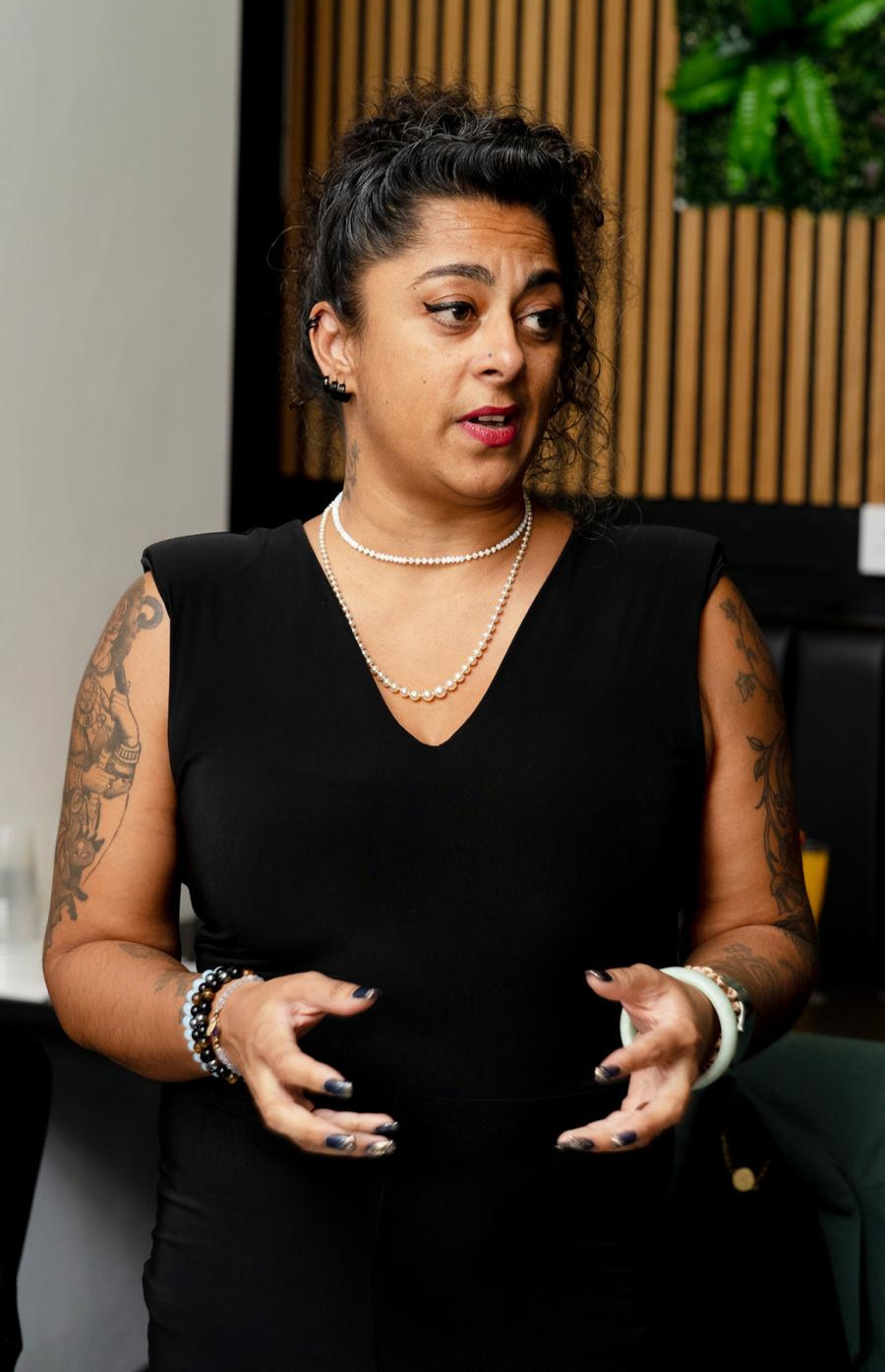
Behind the Data - Reviewing UK Hate Crime Data
Understanding UK Hate Crime Data: What the Numbers Tell Us, What They Don't and Why It Matters
DRose Ethics & Equity Community Briefing
Hate crime statistics are often presented as straightforward indicators of whether discrimination is increasing or decreasing. The reality is much more complex. Data can help us understand trends and pressures on services, but it cannot fully capture lived experience, under-reporting, fear, community trust or the wider social impact of discrimination.
I have created this briefing to provide an objective review of the latest available data and highlight some important considerations for anyone interested in creating safer, more equitable communities.
The Headlines: What Does the Latest Data Show?
The latest Home Office Hate Crime England and Wales, Year Ending March 2025 statistics recorded 137,550 hate crimes across England and Wales. Due to changes in the Metropolitan Police recording system, trend comparisons exclude Metropolitan Police data. Using comparable data, police-recorded hate crime increased by 2%, from 113,166 to 115,990 offences.
By monitored strand, the latest comparable data shows:
Race hate crime increased by 6%.
Religious hate crime increased by 3%.
Sexual orientation hate crime decreased by 2%.
Disability hate crime decreased by 8%.
Transgender hate crime decreased by 11%.
The data also shows a 19% increase in anti-Muslim religious hate crime, with a notable spike following the Southport murders and subsequent disorder during summer 2024.
At first glance, decreases in some categories may appear encouraging. However, the Home Office itself warns that police-recorded hate crime figures are not a reliable measure of long-term prevalence because changes in recording practices, reporting behaviour and police identification significantly influence the numbers.
Are Hate Crimes Really Decreasing?
This is the question many people ask when they see falls in disability, transgender or sexual orientation hate crime.
The honest answer is:
We do not know for certain.
The Home Office states that police-recorded hate crime reflects both crime itself and police recording practices, which are likely to reflect a range of human errors, bias and inaccurate recording processes. Improvements and changes in recording systems have had a major impact on trends over the past decade.
There are several possible explanations for falling numbers:
Fewer incidents occurring
This is the most positive explanation but it cannot be assumed from police data alone.
Reduced reporting
People may be less likely to report incidents if they believe:
Nothing will happen.
The process will be stressful.
Previous reports were not taken seriously.
The police do not understand their experiences.
Charities like Victim Support offer alternative reporting pathways and guidance for victims. Victim-focused research and case studies show significant gaps in victim experiences when accessing support, consistency of services and police follow-up, which provide some insight into why some groups are less likely to report incidents to the police.
Recording issues
The Home Office highlights that hate crime data is dependent on crimes being correctly identified and flagged as hate crime offences. If this does not happen, incidents may be recorded simply as public order offences, criminal damage or assault.
Community fatigue
Many organisations supporting marginalised communities report that people can become exhausted by repeatedly reporting incidents that do not result in meaningful action.
For these reasons, decreases in recorded hate crime should be interpreted cautiously rather than automatically celebrated.
Data Gaps and Recording Challenges
One of the most significant challenges in hate crime analysis is that the data is only as good as the information recorded.
The system relies on:
Victims reporting incidents.
Victims being aware of hate crime motivations and reporting.
Police identifying potential hate motivations.
Protected characteristics being accurately recorded.
Appropriate hate crime flags being applied.
The Home Office notes that hate crime figures depend on correct flagging against the five monitored characteristics:
Race.
Religion.
Sexual orientation.
Disability.
Transgender identity.
Potential gaps may arise when:
Victims choose not to disclose aspects of identity.
Victims are unaware of hate crime categories.
Officers fail to identify a hate crime element.
Data systems are inconsistent.
Investigations are delayed.
There are also broader issues within the systems affecting the police service more broadly, including capacity, staffing pressures and competing operational demands. Delays in investigation or follow-up can influence victims' confidence and willingness to engage with the justice system. Where police follow-up is delayed, victims may be unwilling to relive the incident and instead prefer to move on for their own wellbeing and quality of life.
Trust in the Police Matters
Trust is one of the most important factors influencing engagement in public sector services and particularly regarding the reporting behaviour of different demographic groups.
The murder of Sarah Everard by a serving police officer damaged public confidence and led many communities, particularly women and historically marginalised groups, to question institutional safeguarding and accountability.
The Casey Review (2023) concluded that the Metropolitan Police was institutionally racist, misogynistic and homophobic. The report highlighted serious concerns regarding culture, trust and accountability. While the report focused on the Metropolitan Police specifically, there is reasonable evidence that similar failures are present in other police services around the country.
For some communities, reporting a hate crime is not simply about reporting an offence. It also involves asking:
Will I be believed?
Will I be treated fairly?
Will the police take action?
Might there be negative consequences for reporting?
Am I safe engaging with this system?
These are not abstract concerns. They can significantly affect reporting rates and ultimately shape the statistics we see.
Delivering effective services requires trust. Understanding community trust is critical because low trust not only affects data accuracy but also people's access to safety, support and justice.
The Gap Between Data and Daily Experience
One of the most important lessons from hate crime research is that statistics and lived experience are not always aligned. The latest Crime Survey for England and Wales estimated approximately 176,000 hate crime incidents per year, which differs from police-recorded figures because it includes incidents not reported to police.
At the same time, many people experience an increasingly hostile information environment. Social media algorithms are designed to promote engagement. Unfortunately, anger, outrage and conflict often generate more engagement than nuance and evidence.
This can result in:
Increased exposure to discriminatory content.
Amplification of misinformation.
Echo chambers.
Heightened perceptions of threat.
Greater social division.
As a result, communities may feel significantly less safe even when local crime data does not show a corresponding increase.
The summer 2024 disorder following the Southport murders demonstrates how rapidly misinformation can contribute to hostility, anti-immigrant sentiment and community tensions. The Home Office data itself recorded a spike in anti-Muslim hate crime during this period.
What the Data Cannot Show
Statistics can tell us how many incidents are recorded.
They cannot adequately measure:
Fear
Community trauma
Psychological harm
Social exclusion
Loss of opportunities
Reduced trust
Long-term effects on wellbeing
They also cannot fully capture cases where individuals become targets of coordinated harassment, misinformation or discriminatory narratives.
For example, public attacks on prominent academics, professionals or community leaders may involve significant racism, ableism, homophobia or other forms of discrimination without ever appearing within official hate crime statistics.
Where misinformation is repeated without evidence and individuals are subjected to dehumanising language or targeted hostility, the consequences can extend far beyond those directly involved. With so many ill-informed comments appearing on social media confusing opinion for facts, failing to apply critical thinking and repeating harmful stereotypes as if they are scientific data, it can be hard to know the true scale of the issue. How much of the online discourse is algorythums and bots verses how much is actual people sharing the hate-filled comments and violent threats against minoritised groups and individuals.
It is easy to be mislead into believing the online narative is a true reflection of opinions within our communities. While we know discrimination is still prevalent across the UK, the media heavily distorts what we see based on which stories get the most reactions rather than sharing information which has been fact-checked and provides an honest perspective. Even the most media literate indidivuals can be left feeling overwhelmed and exhausted.
For historically marginalised individuals and communities, having their human rights, protections and existance publicly debated, being dehumanised and left without protections.
The message received repeatedly is...
"If this can happen to someone qualified, successful and visible, what protection exists for everyone else? What protection is there for me and my family?"
This is one reason why representation, accountability and evidence-based public discourse remain so important.
What Can We Do?
Reducing discrimination is not solely the responsibility of government, police or institutions.
Small actions matter.
As Individuals
Fact-check information before sharing it.
Check sources and evidence.
Listen to lived experiences.
Avoid assumptions about others.
Reflect on personal biases and behaviours.
Intervene safely when witnessing discrimination.
Build values-led communities and networks.
As Professionals
Build trust through consistency and accountability.
Take action to prioritise anti-discriminatory practices.
Share relevant research and reports to improve inclusive approaches.
Record and report concerns accurately.
Prioritise representation and lived experience.
As Communities
Support community organisations.
Invest your time and energy in values-led projects.
Create opportunities for meaningful dialogue.
Prioritise community leadership, engagement and ownership.
Strengthen relationships across different groups.
Promote shared understanding rather than division.
Continue Your Learning with DRose Academy
The challenges discussed throughout this briefing can feel overwhelming at times. However, inclusive communities are built through thousands of small decisions, conversations and actions taken by individuals, practitioners and organisations every day.
Understanding discrimination, hate crime and social division is only the first step. Creating meaningful change requires the skills to critically assess information, regulate our responses, challenge misinformation and apply practical equity-focused approaches within our workplaces, communities and daily lives.
By developing critical thinking, emotional awareness and practical equity-focused skills, we can all play a role in reducing discrimination, strengthening trust and creating safer, more inclusive environments for everyone.
At DRose Academy, our programmes combine evidence, lived experience and practical tools to help individuals and organisations move from awareness to action.
MEMO Model: Critical Thinking in an Information Age
A practical framework for analysing information, media content, reports and social narratives. The MEMO Model helps learners identify misinformation, explore evidence, recognise bias and make more informed decisions in increasingly complex and polarised environments.
The 8Rs of EQ Regulation
A practical emotional intelligence tool designed to support self-awareness, resilience and constructive responses during challenging conversations and situations. The 8Rs guide learners through a structured process for understanding and regulating emotional responses before they become reactive behaviours.
Change the Balance
A free 12-episode podcast series exploring equality, diversity, inclusion and equity through conversations, lived experiences and practical examples. Ideal for anyone looking to deepen their understanding of contemporary social issues in an accessible format.
Recognising Racism: Past, Present and Practical Actions
A powerful programme exploring racism within historical and contemporary contexts. The course includes the lived experience of a Windrush Scandal survivor and examines how racism operates at individual, institutional and systemic levels while providing practical actions to support anti-racist practice and equitable leadership.
Transgender Mythbusting
Developed in partnership with LGBTQ+ charit Q:Alliance, this session explores common myths and misconceptions surrounding transgender people. The programme focuses on evidence, lived experience, respectful discussion and understanding the real-world impact of misinformation and discrimination.
Applying Equality Impact Assessments: The TRAACER Approach
A CPD-certified programme that introduces the DRose TRAACER Model as a practical tool for promoting ethical and equitable actions. The course includes downloadable templates, practical case studies, worked examples and step-by-step guidance for conducting meaningful Equality Impact Assessments that move beyond compliance and support genuine equity-focused decision-making.
Small Actions Create Lasting Change
Explore courses, resources and learning opportunities at DRoseAcademy.com.
Reflection
No single dataset can fully capture the impact of discrimination, hate, exclusion or mistrust. Quantitative data helps us understand trends, while lived experience, community engagement and critical reflection help us understand the human impact behind the numbers.
The latest hate crime figures provide useful insight but they do not tell the whole story. Data can help us understand trends but it cannot fully reveal the experiences of people who no longer report incidents, who do not trust institutions or who experience discrimination that never reaches official records.
The challenge, then, is not simply focus on reducing hate crime statistics.
The challenge is to create communities where fewer people experience discrimination, more people feel safe reporting concerns, trust in institutions is strengthened and everyone has equitable access to dignity, safety and opportunity.
That requires transparency, representation, accountability, accessibility, commitment, empowerment and resources: the core principles of the DRose TRAACER model, an Equality Impact Assessment tool designed to apply quality planning and practice for professionals across industries and sectors.
References and Further Reading
Centering Lived Experience
Victim Support an independent charity that provides free and confidential support to anyone affected by crime, including victims of hate crime, anti-social behaviour and discrimination-related incidents. Support is available regardless of whether an incident has been reported to the police and includes emotional support, practical guidance, advocacy and information about rights and reporting options.
Stop Hate UK a national charity dedicated to challenging all forms of hate crime and discrimination. The organisation provides independent reporting services, confidential support for victims and witnesses and education and awareness initiatives to help reduce hate, prejudice and exclusion within communities.
UK Hate Crime Data and Recording
Home Office (2025)
Hate Crime, England and Wales: Year Ending March 2025
Official annual statistics on police-recorded hate crime and Crime Survey for England and Wales estimates. Includes data on race, religion, disability, sexual orientation and transgender hate crime.
Office for National Statistics (ONS)
Crime Survey for England and Wales (CSEW)
Provides victimisation survey data including estimates of hate crime that may not be reported to police. Referenced within the Home Office report.
His Majesty's Inspectorate of Constabulary and Fire & Rescue Services (HMICFRS)
How Effectively Do the Police Record Crime?
Independent assessment of police crime recording practices and changes in data quality over time. Referenced within the Home Office report.
College of Policing
Authorised Professional Practice: Hate Crime
National guidance on identifying, recording and responding to hate crime. Referenced within the Home Office report.
Trust, Policing and Institutional Accountability
Baroness Louise Casey (2023)
The Casey Review: Final Report
Independent review of the Metropolitan Police Service examining culture, discrimination, trust and institutional accountability.
Independent Office for Police Conduct (IOPC)
Sarah Everard Investigation and Related Findings
Information relating to misconduct, safeguarding concerns and trust in policing following the murder of Sarah Everard.
HMICFRS
Inspection Reports on Police Legitimacy, Culture and Public Confidence
Evidence relating to trust, service standards and police effectiveness.
Social Cohesion, Misinformation and Online Harm
Ofcom
Online Nation Reports
Research examining online behaviours, misinformation and digital media consumption.
Institute for Strategic Dialogue (ISD)
Research on Extremism, Disinformation and Online Harm
Independent research into how online narratives and misinformation influence real-world behaviours.
Centre for Countering Digital Hate (CCDH)
Research on Online Hate Speech and Algorithmic Amplification
Evidence examining the spread of hate speech and harmful content through social media platforms.
Health, Discrimination and Social Impact
NHS Race and Health Observatory
Research and Reports on Racial Health Inequalities
Evidence relating to discrimination, trust in institutions and unequal health outcomes.
The King's Fund
What Are Health Inequalities?
Accessible overview of the relationship between inequality, wellbeing and outcomes.
Joseph Rowntree Foundation (JRF)
Research on Poverty, Social Exclusion and Inequality
Evidence on how socio-economic disadvantage contributes to exclusion and wider societal harms.
Equality and Human Rights Commission (EHRC)
Equality, Human Rights and Protected Characteristics Guidance
Legal and policy context relating to discrimination, equality duties and human rights protections.